
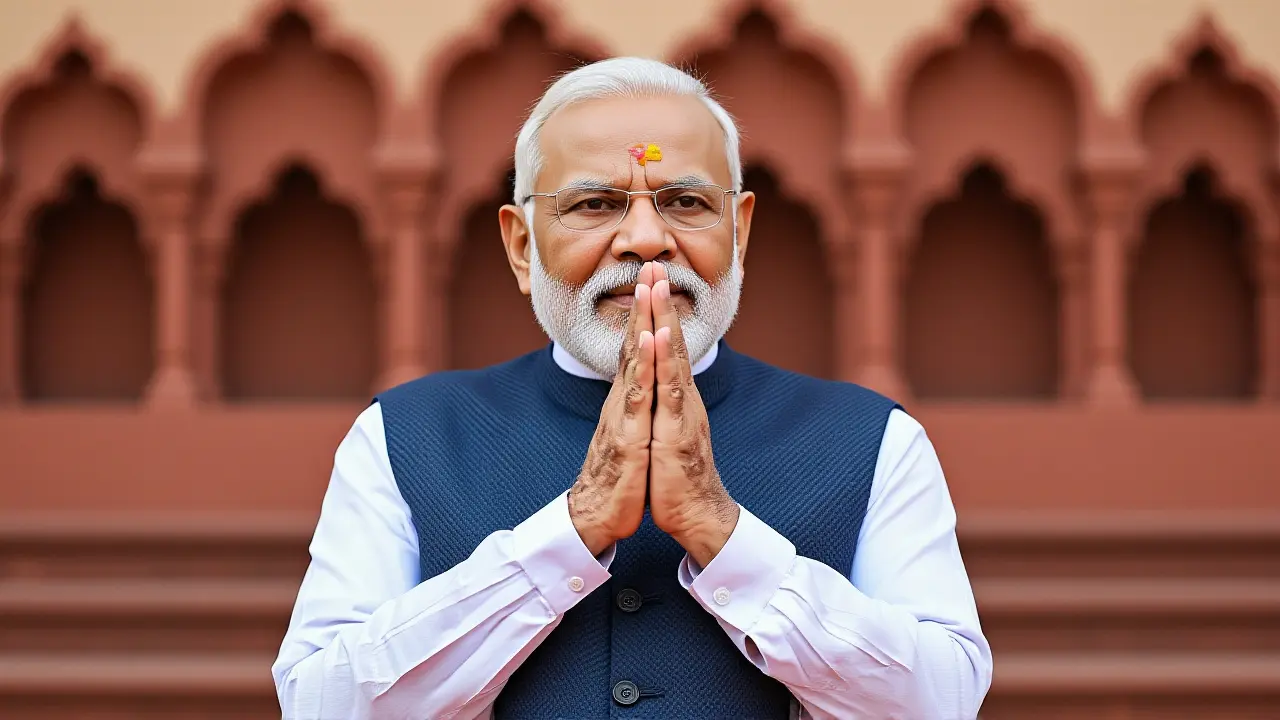
When Narendra Modi, Prime Minister of India, rolled out his roadshow in Hyderabad on March 15, 2024, the message was clear: the South was no longer a peripheral battleground. It was center stage. The Prime Minister’s strategic sweep across Telangana, Karnataka, and Tamil Nadu wasn't just about rallies; it was a calculated effort to convert ground-level support into parliamentary seats ahead of the crucial general elections.
The visit began with high energy at Begumpet Airport. By evening, the streets from Mirjalguda to Malkajgiri Chowrasta were packed. Traffic halted for over two hours as thousands gathered to see the leader who promised 'Modi Ki Guarantee.' But here’s the thing—this wasn’t just a show of strength. It was a response to shifting political tides in the region that had long resisted national party dominance.
The Ground Game: From Sangareddy to Street Corners
Before the crowds gathered in Hyderabad, there was a quieter moment of significance. On March 5, 2024, just days before the campaign heat intensified, Modi inaugurated development projects worth over Rs 7,200 crore in Sangareddy, located roughly 60 kilometers from the city center. This move signaled a dual strategy: deliver visible infrastructure while simultaneously campaigning.
Why does this matter? Because in southern states, development narratives often compete fiercely with regional identity politics. By anchoring his visit in tangible progress—roads, hospitals, industrial parks—Modi aimed to bridge the gap between central government achievements and local aspirations. The traffic advisory issued by Hyderabad Police from 4:40 PM to 7:00 PM on March 15 underscored the scale of public engagement expected. It wasn't just a political event; it was a civic disruption that highlighted the Prime Minister's draw.
Campaign Slogans and Strategic Targets
The Bharatiya Janata Party (BJP) entered the 2024 elections with ambitious goals. Their slogan, 'Abki Baar 400 Paar' (This Time Surpassing 400), reflected a desire to not just win, but dominate. However, achieving this required breaking new ground in the South, where the party had historically struggled to gain significant traction compared to its northern strongholds.
Analysts pointed out that winning significantly more seats in southern regions than in previous elections was essential for this target. The opposition, led by the Indian National Developmental Inclusive Alliance (INDIA), had formed a formidable coalition including the Indian National Congress and various regional parties. This made every rally in Hyderabad, Bengaluru, or Chennai a critical battle for seat share.
International Support and Domestic Focus
Interestingly, the campaign also drew attention from abroad. Mary Millben, an American singer and actress, publicly expressed her support for Modi’s re-election during an interview with Press Trust of India (PTI). She described him as "the best leader for India" and noted substantial support among Americans for his continued leadership. While such endorsements don’t directly influence votes, they add to the narrative of global confidence in India’s direction under Modi’s stewardship.
The Outcome: A New Political Reality
The election results, declared on June 4, 2024, revealed a complex picture. While the BJP did not achieve the absolute majority of 272+ seats seen in 2014 and 2019, the National Democratic Alliance (NDA) secured enough support to form the government. On June 7, 2024, Prime Minister Narendra Modi confirmed the support of 293 MPs to President Droupadi Murmu.
This victory marked a significant shift: Modi’s third consecutive term, but his first heading a coalition government. Key allies included the Telugu Desam Party (TDP) from Andhra Pradesh and the Janata Dal (United) (JDU) from Bihar. The southern campaign, particularly in Telangana and Andhra Pradesh, played a pivotal role in securing these alliances and expanding the NDA’s footprint.
What’s Next for the Coalition?
Heading a coalition government presents different challenges than ruling with an outright majority. The immediate focus will be on maintaining unity among diverse partners, each with their own regional priorities. For the BJP, the lesson from the 2024 polls is clear: the South is no longer optional—it’s integral to national power dynamics.
The success of the Hyderabad roadshow and subsequent rallies demonstrated that emotional connect and development promises can resonate even in traditionally opposition-friendly zones. As the new term begins, the question isn’t just about governance, but about sustaining this expanded coalition without diluting core policy agendas.
Frequently Asked Questions
Why was the Hyderabad visit considered strategically important?
Hyderabad served as a hub for reaching voters in Telangana, a state where the BJP needed to strengthen its presence. The roadshow and public meetings allowed Modi to connect directly with urban and semi-urban populations, addressing local issues while reinforcing national development narratives. This was crucial for countering regional parties’ influence.
What was the significance of the Rs 7,200 crore project inauguration?
Inaugurating large-scale projects in Sangareddy provided tangible evidence of central government investment in the region. It helped counter claims of neglect and offered a concrete talking point during rallies. Voters could see physical progress, making abstract policies feel more immediate and relevant to their daily lives.
How did the 'Abki Baar 400 Paar' slogan impact the campaign?
The slogan set a high benchmark, signaling ambition and confidence. While the BJP didn’t reach 400 seats alone, it galvanized the base and pressured allies to perform better. It also framed the election as a test of national mandate versus regional fragmentation, appealing to voters seeking stability and decisive leadership.
Who are the key coalition partners in the new government?
The primary allies include the Telugu Desam Party (TDP) from Andhra Pradesh and the Janata Dal (United) (JDU) from Bihar. These partnerships were vital for crossing the majority threshold and reflect a broader strategy of integrating regional forces into the national fold, ensuring representation from diverse geographic and cultural backgrounds.
What challenges does a coalition government face compared to a single-party rule?
Coalition governments must balance competing interests, negotiate cabinet positions, and align policy priorities across partners. Decision-making can be slower due to consensus-building requirements. However, it also brings diverse perspectives and regional expertise, potentially leading to more inclusive governance if managed effectively.
